
Imagine walking through an airport. You see a kiosk selling phone chargers. Just another stall—until you notice something different. A small American flag sits at the corner of the counter. You stop. You look again. Without thinking, you feel just a little safer buying from that vendor.
That’s the power of national symbols. They aren’t just fabric or colors—they’re shortcuts to trust. Flags can speak louder than logos. They can say, “You belong here,” “We understand you,” or even, “This is home.”
Curious how brands are pulling this off? Stick around. This guide reveals how flags build instant connection—and how you can use the same tactic to boost trust in your business.
Why Flags Matter More Than You Think
Let’s break this down. People trust what feels familiar. What feels local. Flags do that job in seconds. They signal identity. Belonging. Unity.
But more than that, they help brands tap into something bigger—emotion. People don’t just see a flag. They feel it. A brand using the right national flag at the right moment sends a message that hits the heart.
Think about political speeches. Victory parades. Memorial Day events. What do they all have in common? A flag standing proud. There’s a reason for that.
It’s more than decoration. It’s symbolism in action.
The Psychology Behind the Flag
Here’s what really happens behind the scenes.
When people see a national flag, their brains process it differently than they do other symbols. It’s not just color and shape—it’s memory, culture, and identity. In marketing, that means:
Recognition: A flag can help a brand be seen as “one of us.” It makes unfamiliar brands feel safe. Trustworthy. Local.
Emotion: Flags evoke pride, nostalgia, unity—or even loss. That’s why brands often use them around major events. Think of the uptick in displays of the 9/11 American flag—a symbol that still stirs emotion, remembrance, and patriotism. Businesses using it during tributes or sales show they’re tuned in, not tone-deaf.
Loyalty: People support brands they believe share their values. A flag can be that signal. Not just to show national identity—but to show support, solidarity, and care.
How Brands Are Already Doing It
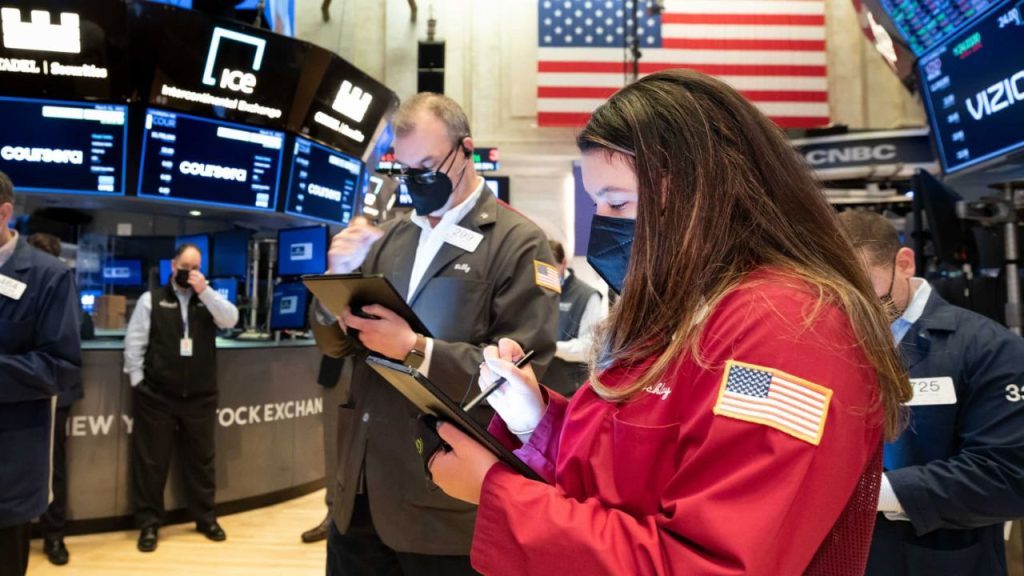
Big brands get it. They’ve been doing this for years—and doing it well.
Watch any Olympic season. Suddenly, soda cans, cereal boxes, and shoe ads are covered in stars, stripes, or whatever the host country’s flag might be. It’s not random. It’s strategy.
During national holidays—Fourth of July, Canada Day, Bastille Day—brands shift their visuals. It’s not just fireworks. It’s flags.
Why? Because people buy more when they feel seen and understood. And nothing says “we get you” faster than the flag they grew up saluting.
Take sportswear companies, for example. When they launch limited-edition gear in flag colors, fans don’t just buy it—they wear it with pride. It’s not just a hoodie anymore. It’s a badge of identity.
But It’s Not Just for Big Brands
Here’s the twist. You don’t need a global ad budget to make this work. Even small businesses—local coffee shops, service providers, online sellers—can build credibility with the smart use of national flags. Window decals. Social media banners. Packaging stickers. A little flag in the corner? It can go a long way.
Because anytime someone feels your brand reflects their identity, chances are they’ll come back for more, tell others about you, and choose you over competitors.
And this isn’t about fake patriotism. It’s about authentic connection. It’s about understanding what your audience holds dear—and reflecting that visually in subtle, respectful ways.
Flags in the Digital World
Think this only works in physical spaces? Think again.
Digital brands are doing this all the time. Visit an e-commerce site during your country’s national holiday. Notice the banner? The pop-up? The landing page? Chances are, you’ll spot the flag. Maybe even hear an anthem in the background.
It’s not just for show. It’s smart psychology. These brands know that the right image, placed at the right time, makes users stay longer—and trust faster.
Even social media profiles, newsletters, and app icons can carry national flags during specific campaigns. And guess what? Engagement often spikes during those periods.
It’s a little signal with a big emotional return.
When It Works—and When It Doesn’t
This is important. Because while flags build trust, they can also backfire when misused. Don’t plaster a flag just for attention. If it feels out of place, it confuses people. Worse, it can feel disrespectful.
The key is relevance. Use a flag when it actually connects with your message or your audience’s experience.
Think of:
Launching a product made in your country? A small flag tells people, “This is local.”
Posting a tribute on Veterans Day? The flag says, “We remember.”
Supporting your national team in a tournament? A flag adds a layer of unity.
But selling beach towels in January with a national flag for no reason? That just feels forced.
Be intentional. Be respectful. Be relevant.
Want People to Trust You? Start Small.
You don’t need a redesign. Or a new logo. You just need a thoughtful touch.
Try adding a small flag graphic to your packaging during a national holiday. Or include one in your thank-you emails. Even just changing your profile picture or banner for a week can make your brand feel closer, warmer, and more relatable.
Because, in the end, that’s what this is all about—connection. Building bridges in seconds through symbols people already trust.
A Flag Is More Than Fabric
When used well, a national flag is one of the most powerful tools in branding.
It says, “We see you.”
It says, “We care.”
It says, “You belong.”
And in a world filled with noise, that kind of clarity builds trust fast.
So whether you’re a small business or a big name, don’t overlook the simple symbols. Sometimes, a flag is more than just decoration—it’s your secret weapon for connection. Because when your brand reflects the identity of your audience, the result isn’t just sales—it’s loyalty. And that’s something every business can wave high.