

Most conversations about network security start and end with software. Firewalls, endpoint detection, zero-trust architecture. But the physical layer of any network setup carries its own category of risk, and it gets far less attention than it deserves. Overloaded outlets, tangled cable runs, and poorly rated power accessories can damage hardware, corrupt data, or take a server offline just as effectively as a ransomware payload. Products like the MAXIMM 360° Flat Plug Extension Cord exist precisely because the physical demands of a network closet or home office rack are different from plugging in a lamp.
The gap between digital security budgets and physical infrastructure spending is wide. Companies will invest thousands in intrusion detection but run their switches off a daisy-chained power strip from 2014. That imbalance creates vulnerabilities that no software patch can fix.
Power Infrastructure and Its Role in Uptime

A single power event can wipe out weeks of careful configuration. Surge damage to a managed switch doesn’t just mean replacing hardware; it means rebuilding VLANs, port assignments, and access control lists from backup. According to the U.S. Consumer Product Safety Commission, electrical fires related to extension cords and power strips account for thousands of residential incidents each year, many of them in spaces doubling as home offices.
The fix isn’t complicated, but it does require deliberate choices. Flat-plug cords with rotating heads fit behind furniture and inside shallow rack enclosures where standard bulky plugs won’t. Surge protectors rated for actual equipment loads, not just the cheapest option at the hardware store, matter more than most IT managers realize.
Power redundancy planning usually focuses on UPS units and generator failover at enterprise scale. At the small-office or home-lab level, it’s often ignored entirely. That’s a problem when a $12 power strip is the single point of failure for a $3,000 firewall appliance.
Cable Management as a Security Practice
Messy cabling isn’t just an aesthetic issue. Tangled cables create airflow obstructions that raise equipment temperatures, and heat is the enemy of reliable electronics. A switch running 15 degrees above its rated operating temperature will fail sooner, and the failure mode is often intermittent, the hardest kind to diagnose.
There’s also a physical access angle. When cables are disorganized, it becomes nearly impossible to trace which connection goes where. In a security audit, that ambiguity is a red flag. An unauthorized device plugged into an unlabeled port on a messy patch panel could sit there for months before anyone notices.
Environmental Threats That Firewalls Cannot Block

Water, dust, and temperature extremes do not care about your encryption standards. A basement server room that floods during a heavy rain will destroy equipment regardless of how well-patched the operating systems are. The National Institute of Standards and Technology includes physical and environmental protection as a core control family in its cybersecurity framework, treating it with the same weight as access control or incident response.
Dust accumulation inside power supplies and fan assemblies reduces cooling efficiency over time. In environments with construction nearby or poor HVAC filtration, equipment lifespans can drop by 30 to 40 percent. Regular cleaning schedules for network closets aren’t glamorous, but they extend hardware life in measurable ways.
Humidity is another variable. Too little moisture and you get static discharge risks. Too much and corrosion starts attacking connector pins. The sweet spot sits between 45 and 55 percent relative humidity, and most small offices never measure it at all.
Physical Access Controls Beyond the Badge Reader
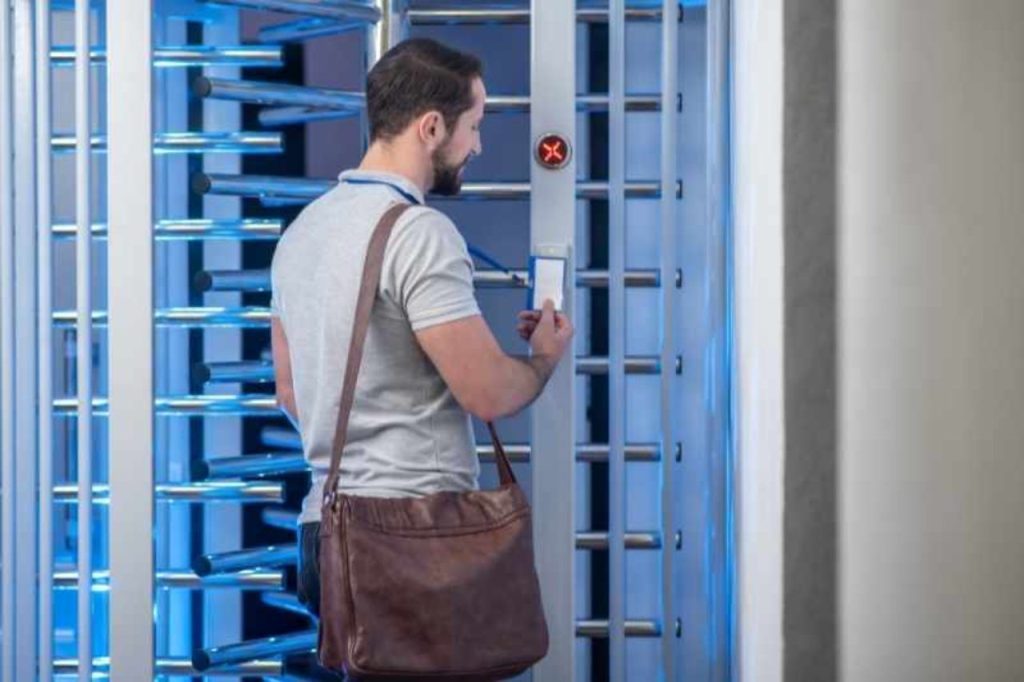
Locking the server room door is table stakes. The more interesting question is what happens inside. USB ports on network equipment are a common attack vector for physical intrusion. A malicious USB device plugged into a router’s console port can dump configurations or install persistent backdoors in under 90 seconds.
Port blockers, those small plastic plugs that fill unused Ethernet and USB jacks, cost pennies per unit and eliminate an entire class of attack. Some organizations go further with tamper-evident seals on equipment enclosures, which provide a visible indicator if someone has opened a device without authorization.
I’d argue that physical access logging matters more than most teams think. Camera coverage of network closets, sign-in sheets for caged colocation racks, and timestamped badge access records all create an audit trail that complements digital logs. When an incident investigation starts, knowing who was physically near the equipment narrows the suspect list fast.
Bridging the Gap Between IT and Facilities
The root cause of most physical security failures is organizational. IT teams handle the digital side. Facilities teams handle the building. Neither group owns the overlap, and that’s where problems live. The electrical circuit feeding the network closet might be shared with the break room microwave, causing voltage sags every time someone heats up lunch.
Getting these two teams into the same room, even quarterly, produces immediate results. Facilities can flag upcoming electrical work that might cause outages. IT can communicate which circuits are critical. Simple coordination prevents the kind of accidents that show up as mysterious network drops in the monitoring dashboard.
Small investments in the physical layer pay outsized dividends. Proper cable labeling, appropriate power accessories rated for the actual load, environmental monitoring sensors that cost under $50 each. None of this is expensive. The expensive part is the downtime that happens when it’s neglected.